
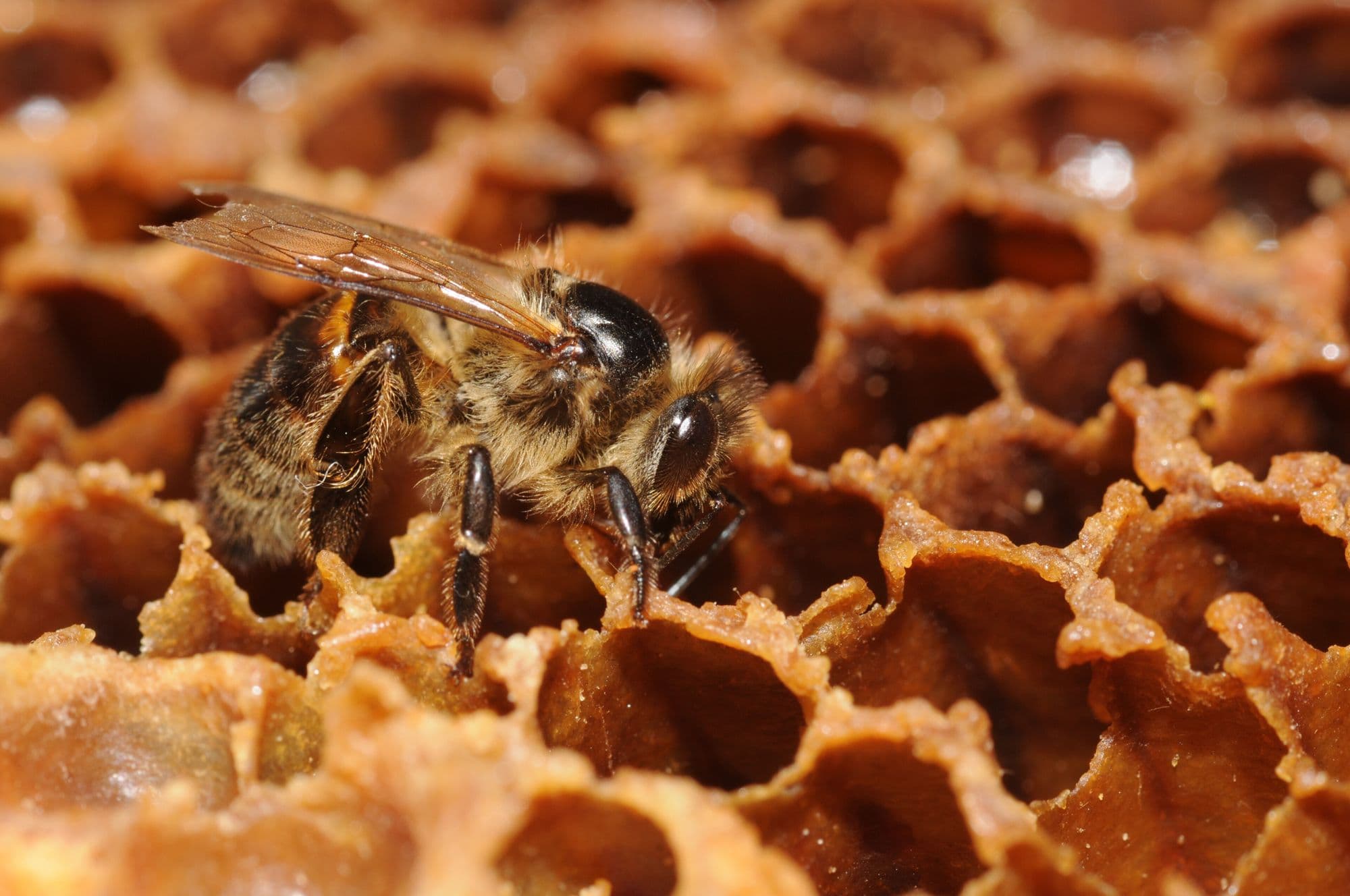
Superorganism
Tens of thousands of bees, one decision-maker: nobody.
No bee is in charge. A colony's stores, temperature and population emerge from thousands of small decisions, which is why the whole box is the thing worth measuring.
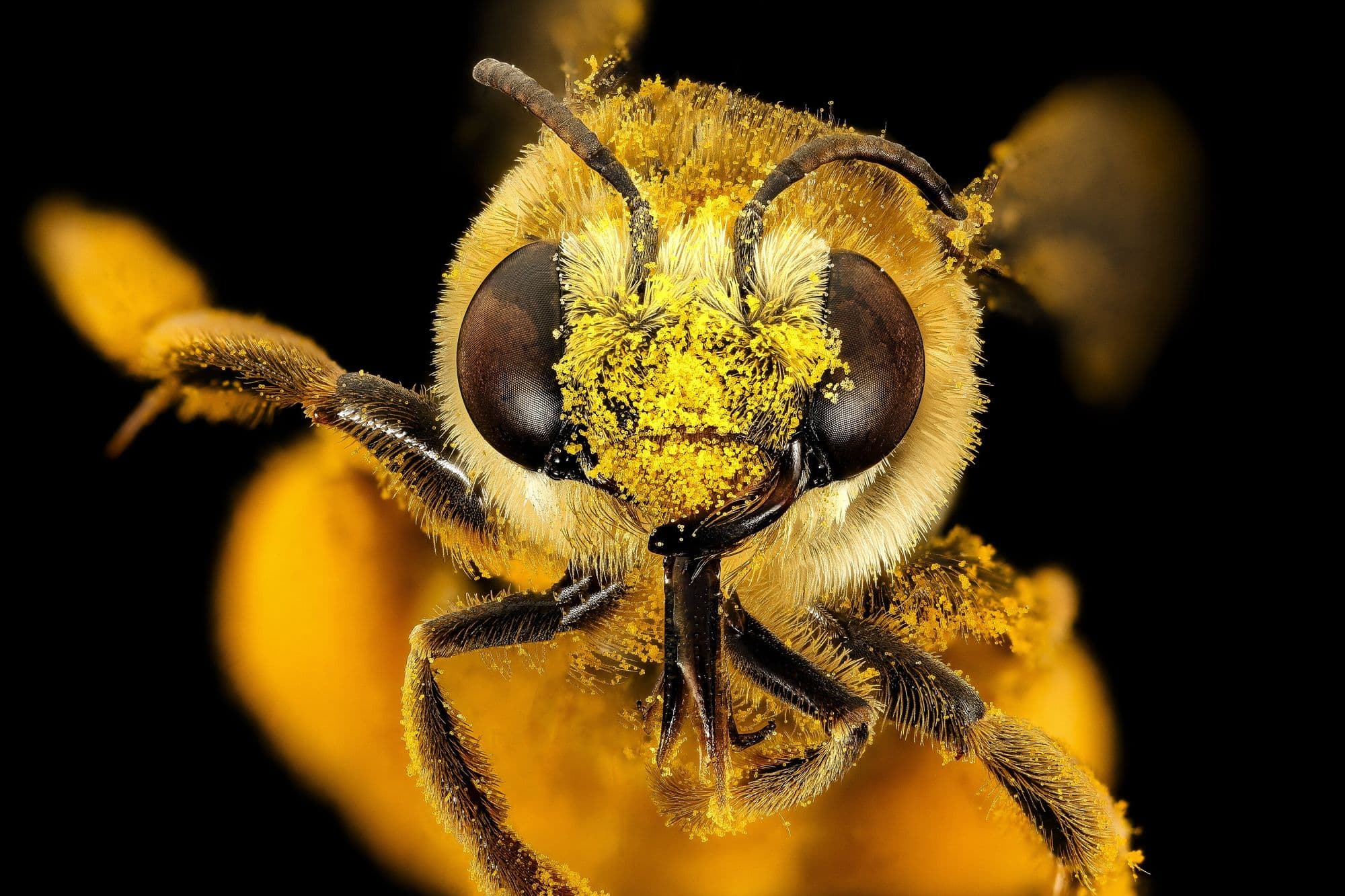
The colony
Over three quarters of the leading types of global food crops benefit from animal pollination, and the managed honey bee is the pollinator we can actually look after.
Superorganism
No bee is in charge. A colony's stores, temperature and population emerge from thousands of small decisions, which is why the whole box is the thing worth measuring.
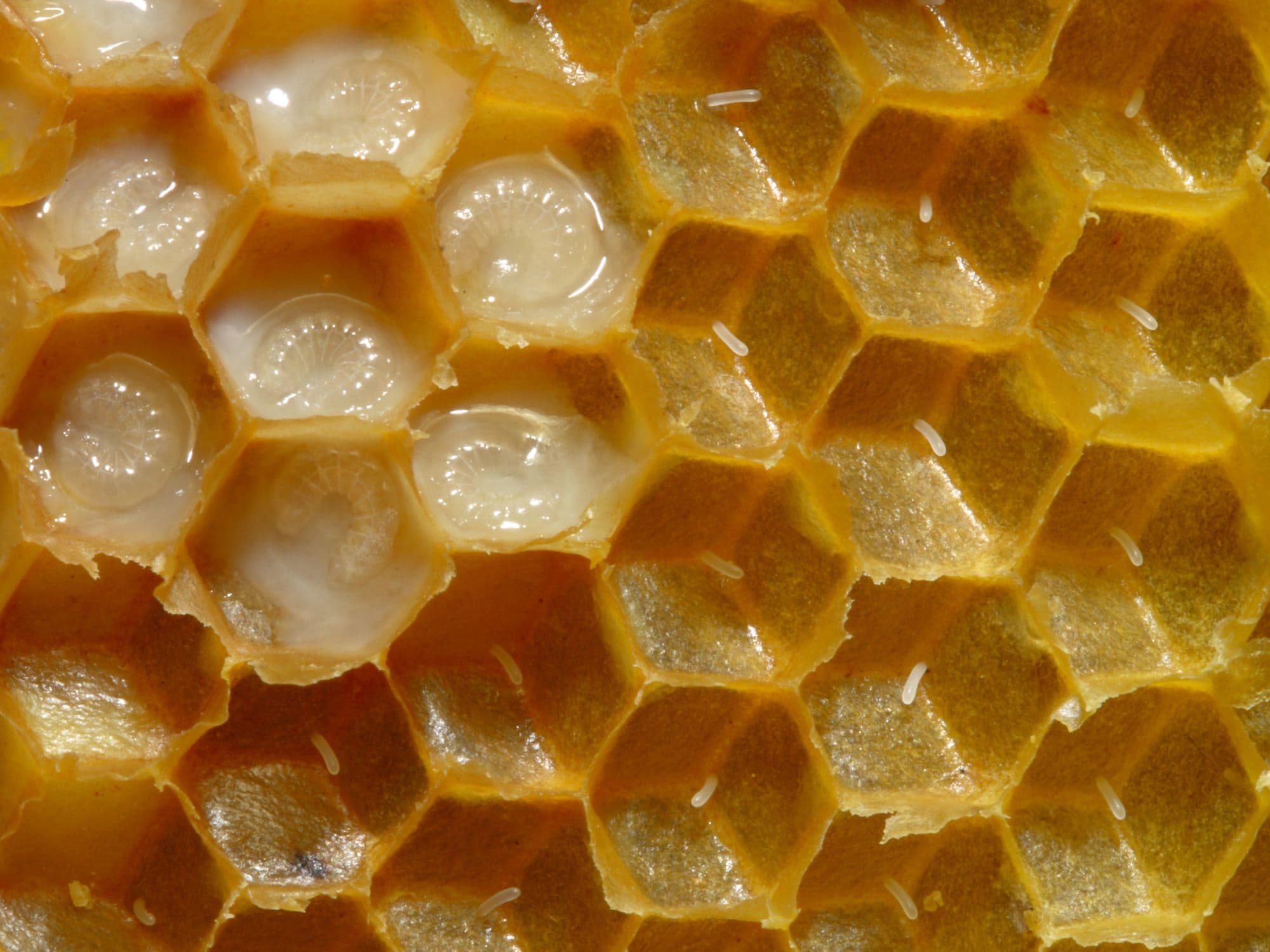
Thermostat
Workers warm the brood nest with their flight muscles and cool it by fanning water. It stays strikingly stable while the mountain outside swings between day and night.
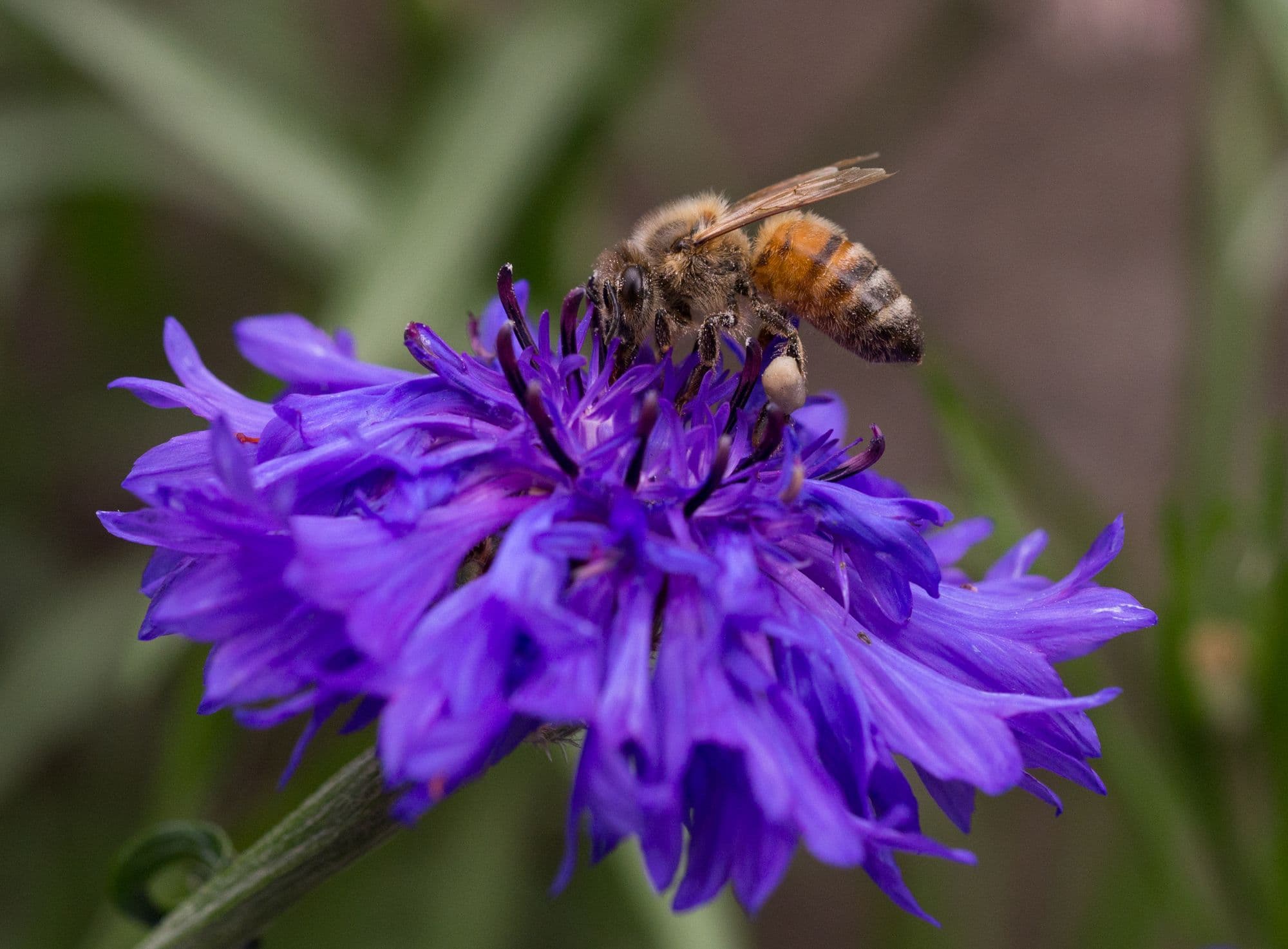
Vision
Bees see into the ultraviolet and not into red. Many flowers carry ultraviolet patterns that are invisible to us. It is why this site is honey and violet.
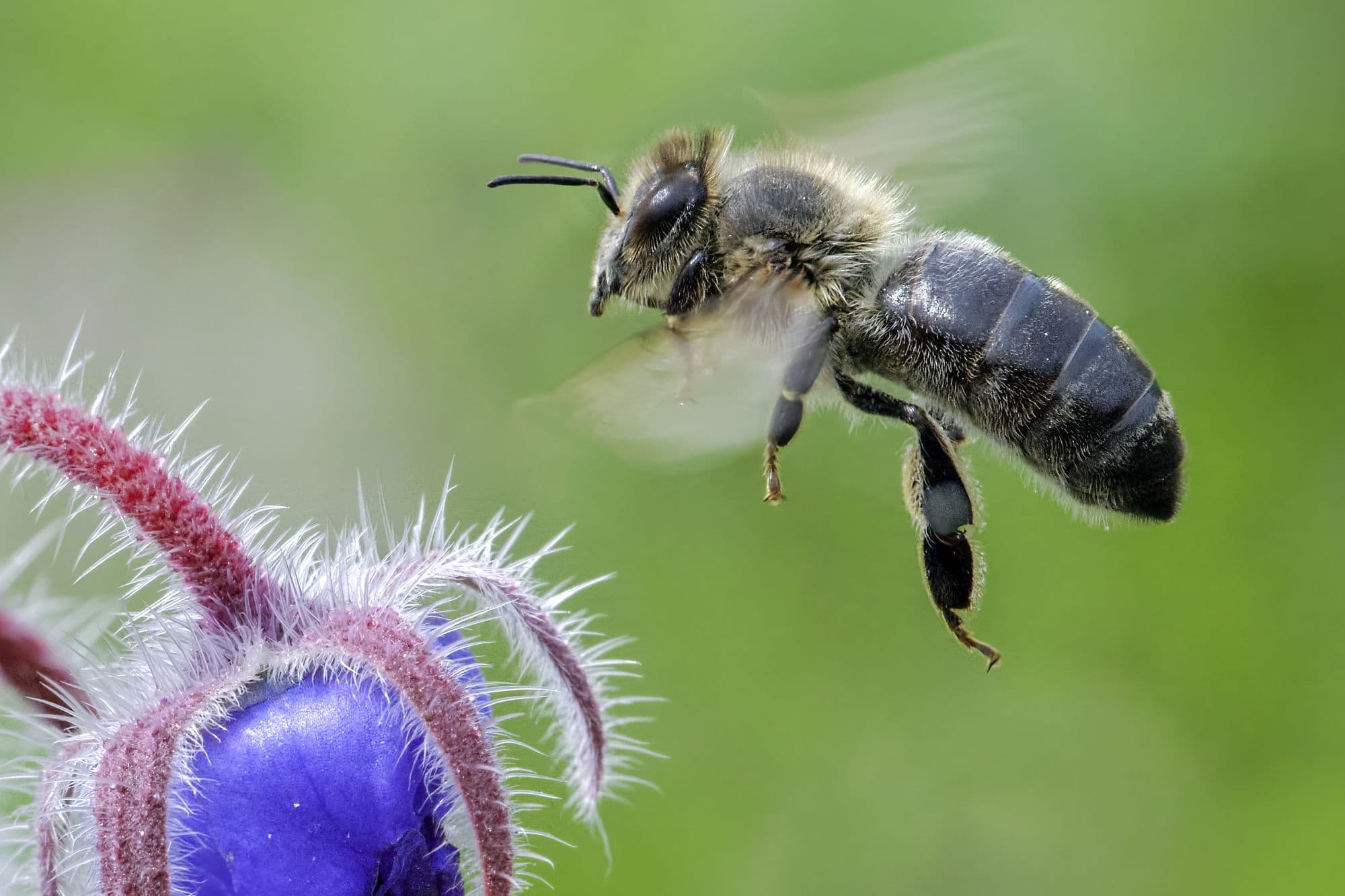
Voice
Colonies hum mostly in the low hundreds of hertz, and that sound shifts with what the colony is doing. Researchers study it. We record it, band by band.
Every time a box is opened, the colony spends heat and calm to recover. Inspections will always matter. They just shouldn't be the only way of finding out how a hive is doing.
How BeeCloud listens