
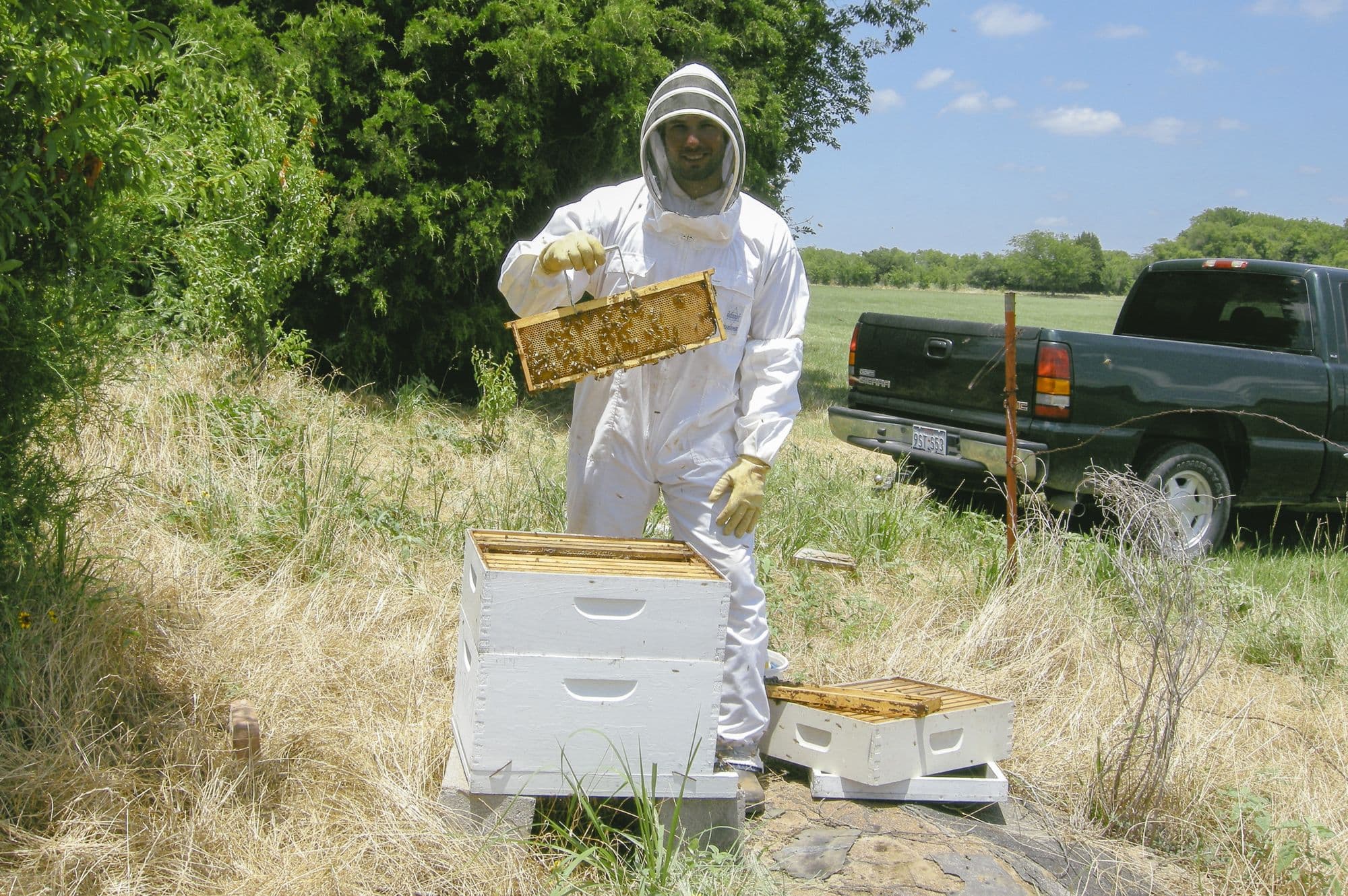
01
Go where you're needed
See the whole apiary before you leave home. When one hive stands out, that is the box you open first, and some trips you can skip entirely.
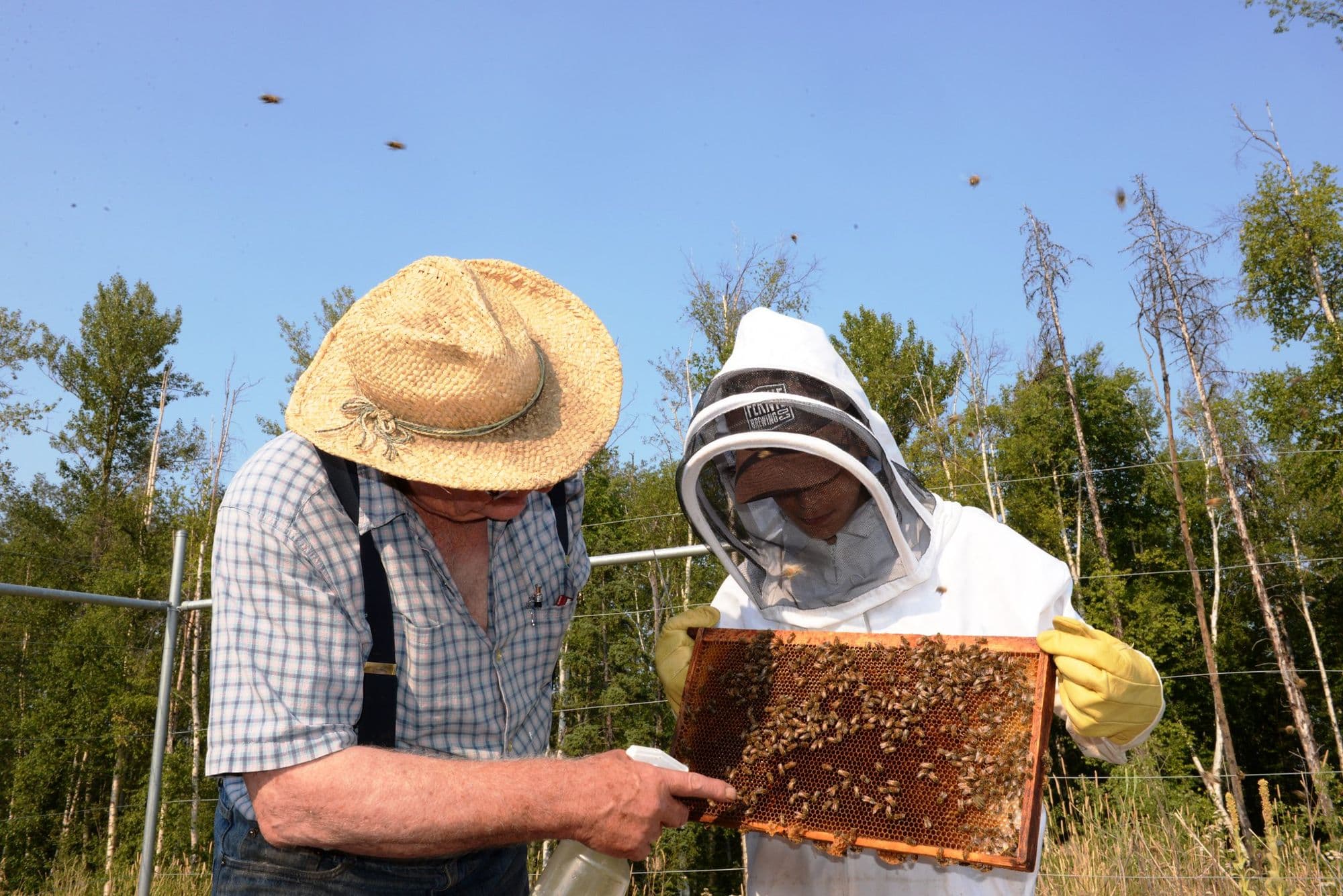
Better hives
01
See the whole apiary before you leave home. When one hive stands out, that is the box you open first, and some trips you can skip entirely.
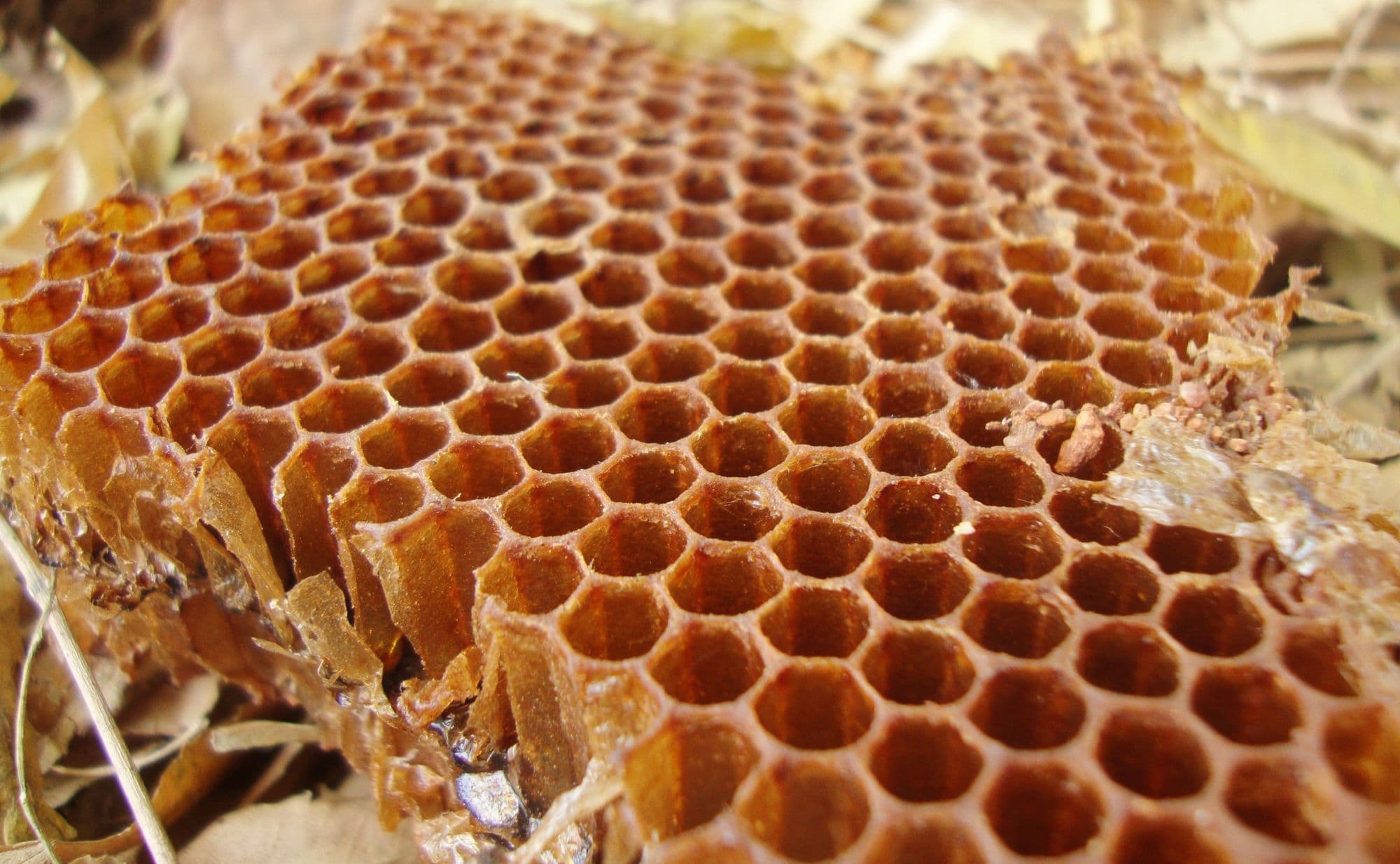
02
Weight shows when nectar starts coming in and when it stops. That helps you decide when to add a super and when to harvest, from data rather than memory.
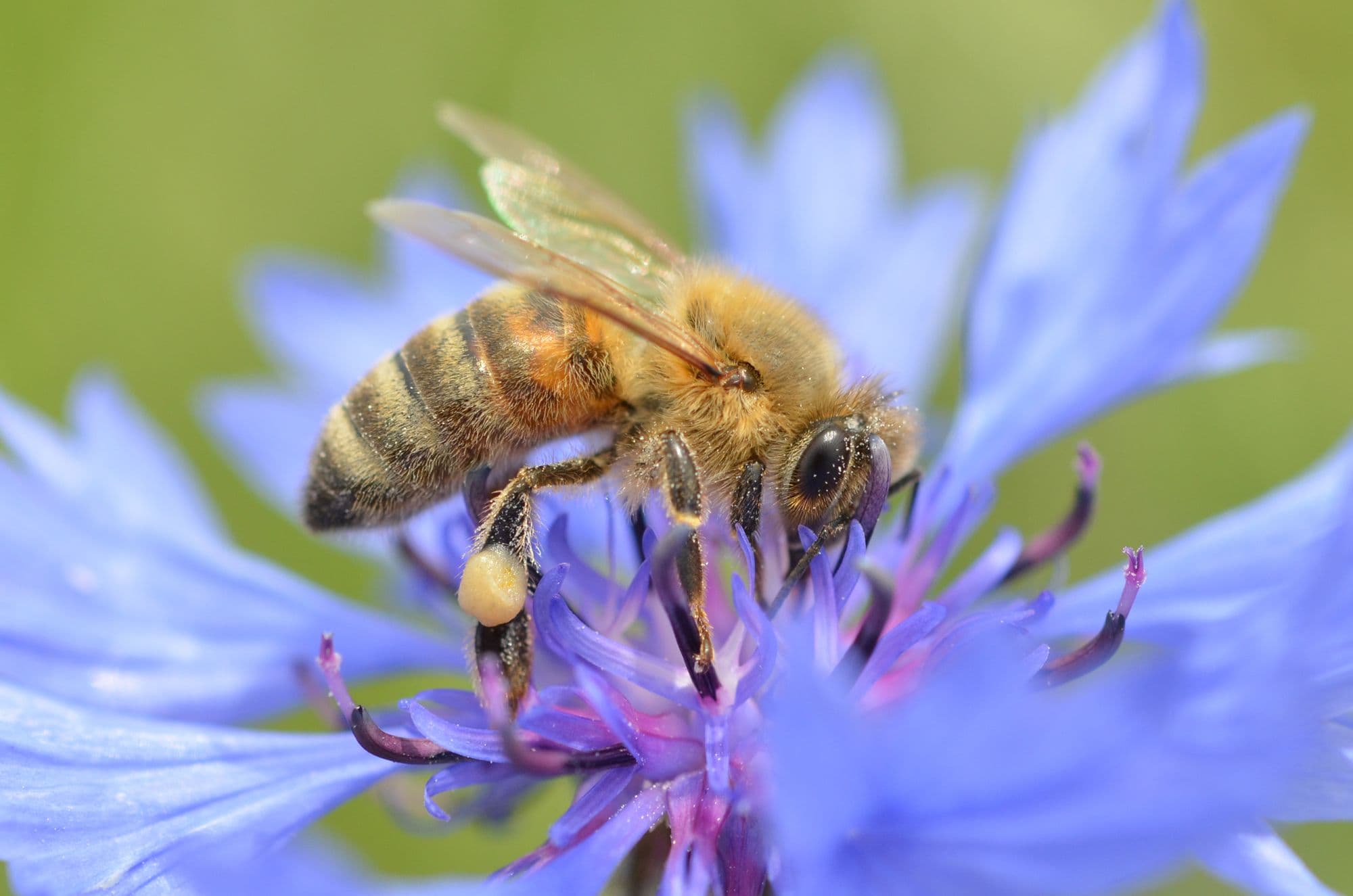
03
Overlay hives on one chart. The colony that stopped gaining while its neighbours kept going is easy to see, and the strong ones are easy to learn from.
04
Each season adds to a history of your site: its flows, its climate, its colonies. That is the knowledge that usually leaves when an experienced beekeeper does.
Your numbers
On your numbers, the visits that were only to check come to
1,740 km
116 hours
a year, across 29 trips.
A way to size the question, not a promise. Some of those trips you would still make, and we do not have field results to quote yet.
Straight talk